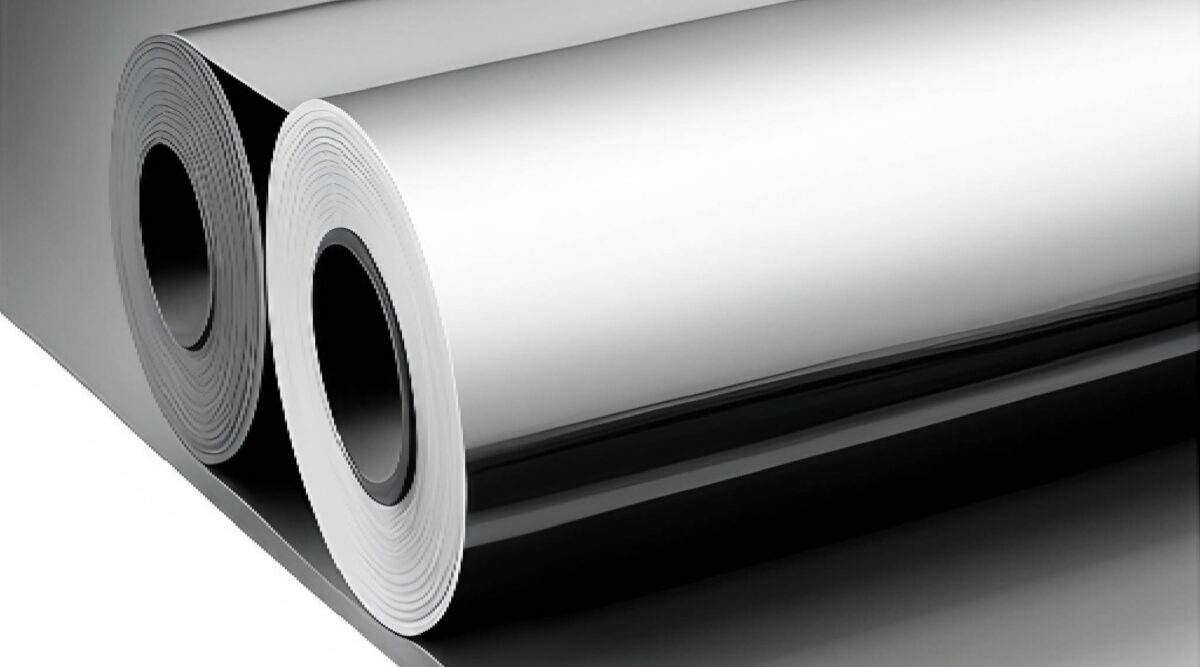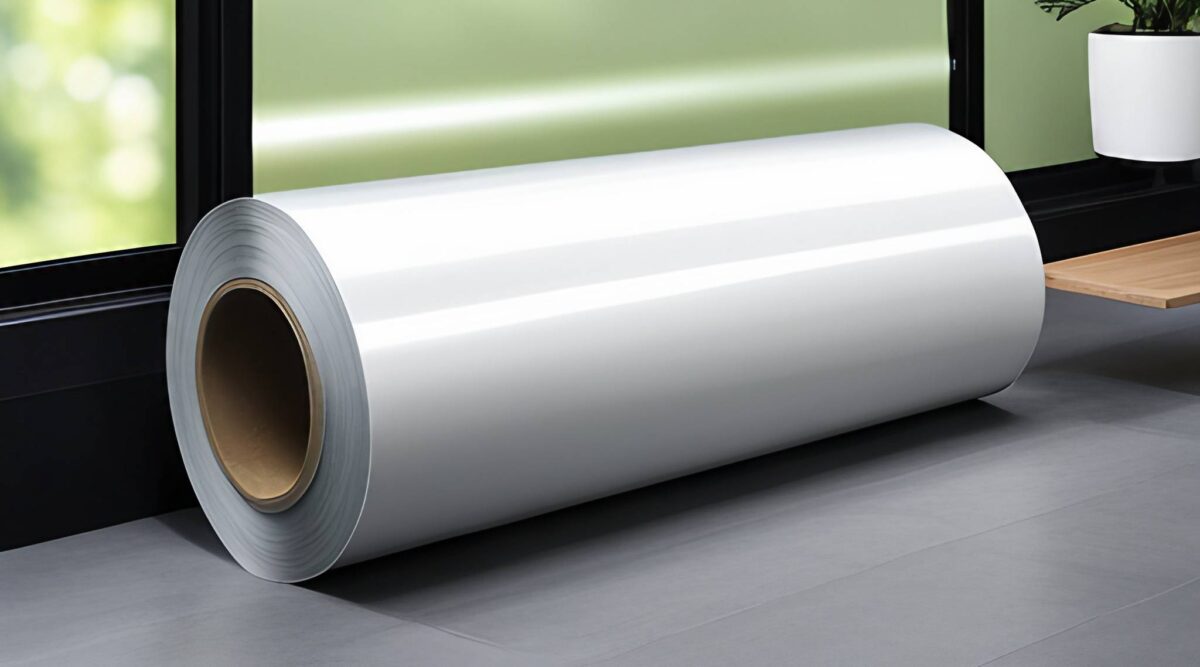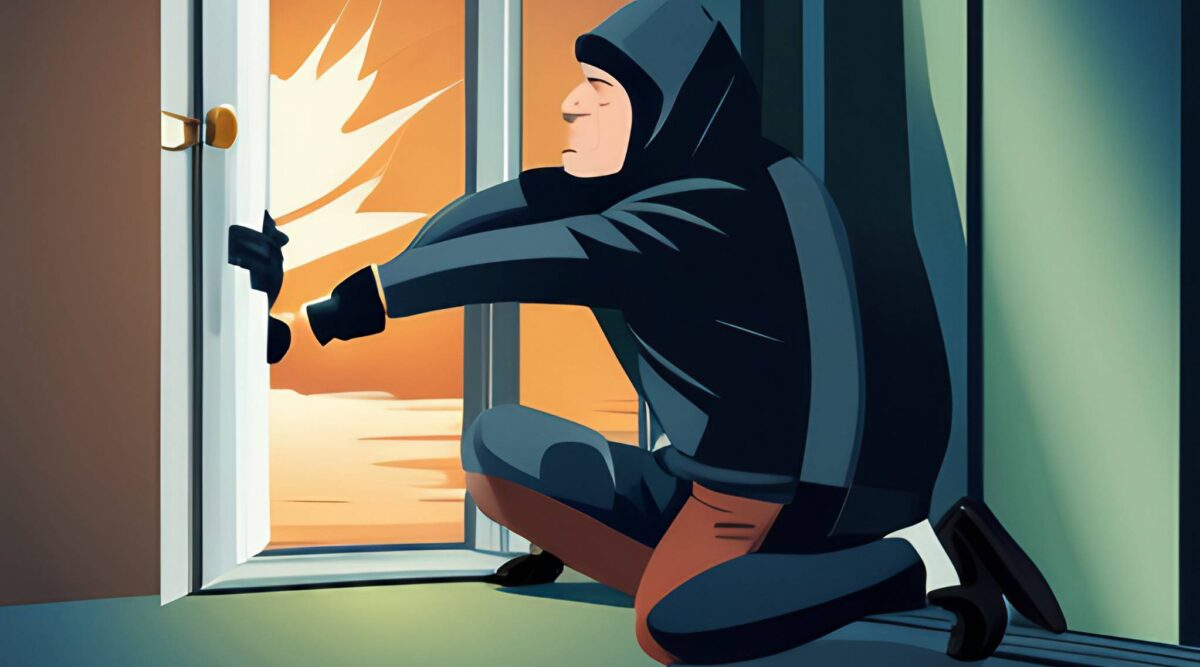
Window films are widely used in Toronto and the GTA to protect glass doors in retail stores, offices, clinics, and public buildings. Business owners search for window films when doors crack too often, break-ins feel easy, or glass repair bills keep stacking up. Glass door protection films are a safety-focused type of window film made to hold broken glass together and slow entry when glass fails.
Toronto buildings face tough conditions. Cold winters cause frames to shift. Summer heat builds pressure in glass. Foot traffic stays heavy year-round. From Queen Street storefronts to offices in North York, broken glass doors are a regular problem. Many owners only learn about window films after a door breaks and forces an early closure.
This article explains how glass door protection window films work, where they help the most, and why many GTA businesses use them instead of replacing glass again and again.
What Glass Door Protection Films Are and How They Fit Into Window Films
Glass door protection films are clear safety window films applied directly to existing glass doors. The glass stays. The film bonds to the surface and keeps broken pieces together after impact.
These window films are not basic tint. Tint mainly changes light or glare. Protection films focus on strength and safety. They belong to the same category as glass security film, but are commonly installed on doors instead of large window walls.
Retail doors across the GTA take daily hits. Winter boots strike glass. Wind pressure changes fast when doors open. Nearby construction causes small movement in frames. Over time, even strong glass weakens.
Protection window films help reduce:
- Break-ins and forced entry
- Accidental impacts from people or carts
- Glass shatter injuries
- Emergency board-up calls
These window films are used in storefronts, offices, clinics, schools, and condo retail units. They work well in leased spaces because the door and frame stay the same.
Most protection films are clear. Customers do not notice them. Staff forget they exist until the glass cracks.
How Window Films Change What Happens When Glass Breaks
Plain glass fails fast. One hit and it breaks apart.
When protection window films are installed, the glass still cracks but stays together. The film spreads force across the surface and holds sharp pieces in place.
We tested this on two office doors in Etobicoke. Same building. Same glass type. One door had film. One did not. The untreated door collapsed. The filmed door stayed upright even though the glass cracked.
With protection window films:
- Glass cracks into a web pattern
- Broken pieces stick to the film
- The door stays standing longer
- Entry takes more effort
Time matters. Most smash-and-grab attempts in Toronto last seconds. Even short delays can stop entry.
Installation quality matters. Edge prep and surface cleaning affect how the film performs. Poor installs fail at the edges first. This is why guides like security film installation exist.
For general glass safety guidance, the Canadian Centre for Occupational Health and Safety explains how safety glazing helps reduce injury.
Where Glass Door Window Films Matter Most in Toronto and the GTA
Risk changes by location. Traffic levels, weather, and building type all play a role.
Retail Storefronts
Stores on Yonge Street, Bloor, and the Danforth see steady foot traffic all day. Accidents, vandalism, and break-ins happen more often than owners expect. Many stores add window films after the first broken door. Repeat breaks often stop.
Medical Offices and Clinics
Clinics in Scarborough and Markham rely on glass doors for light and access. One broken door can cancel a full day of bookings. Protection window films help avoid sudden shutdowns.
Condo Commercial Units
Ground-floor units near Liberty Village and CityPlace see delivery carts, bikes, and foot traffic daily. Glass doors get hit by accident often. Window films help limit repeat damage.
Schools and Public Buildings
Public spaces use glass for visibility. Protection window films help reduce injury risk when glass breaks.
Ontario workplace safety rules are outlined by the Ministry of Labour.
Window Films Compared to Replacing Glass Doors
This question comes up a lot.
Replacing glass:
- Costs more
- Takes longer
- May need permits
- Does not stop future breaks
Adding protection window films:
- Installs fast
- Uses existing glass
- Reduces injury risk
- Keeps doors usable
A café near Union Station replaced the same glass door twice in one year. After adding window films, the door cracked once during winter but stayed intact. No closure.
A detailed comparison is explained here: window film vs full window replacement.
New Local Example: Summer Door Damage in Brampton
Last summer, a small retail shop in Brampton had a glass door crack during a heat wave. The frame expanded slightly and stressed the glass.
Instead of replacing the door again, the owner installed protection window films. Weeks later, a delivery cart rolled into the door. The glass cracked but stayed together. Business stayed open.
Seasonal temperature changes cause many door failures in the GTA. Window films help limit damage when glass gives out.
What to Look for When Hiring a Window Films Installer
Not all window tinting services handle protection films well. These films are thicker and need proper prep.
Ask installers:
- Do you install on doors, not only windows?
- Do you handle commercial spaces?
- Do you prep edges and frames?
Reading key considerations when installing window films helps avoid poor installs.
Material testing standards for safety films are published by ASTM International.
Quick Answers About Glass Door Protection Window Films
What are glass door protection window films?
They are clear window films that hold broken glass together after impact.
Do window films stop break-ins?
Window films slow forced entry by keeping glass intact longer.
Can window films be installed on existing doors?
Yes. Window films install on existing glass without replacing the door.
Do protection window films change how doors look?
Most protection films are clear and hard to see.
How long do window films last?
Protection window films often last 10 to 15 years with proper installation.
If you run a business in Toronto or the GTA and deal with broken glass doors, window films are worth serious thought. They do not stop glass from cracking, but they change what happens after. That difference keeps doors standing and shops open.