If you search window films in Toronto, you’ll see the same questions come up fast. Do window films really help with break-ins? Can they stop glass from flying during winter cracks? Are they only for shops, or do homes need them too? These questions come from real problems in the GTA. Broken storefront windows on Queen Street. Cracked patio doors in Scarborough. Pressure breaks during January cold snaps in North York.
Window films exist because glass is often the weakest part of a building. It looks strong, but it breaks fast. When it breaks, it causes injuries, panic, theft, and big cleanup costs. Safety and security window films change how glass breaks without changing how your space looks. No bars. No shutters. No dark tint unless you choose it.
This guide explains how window films work for safety and security, how they are used around Toronto and the GTA, and when they make sense for homes and businesses. For a full overview of window films beyond security, the Tintly Window Films homepage explains how different films are used across residential and commercial spaces.
What Are Safety and Security Window Films?
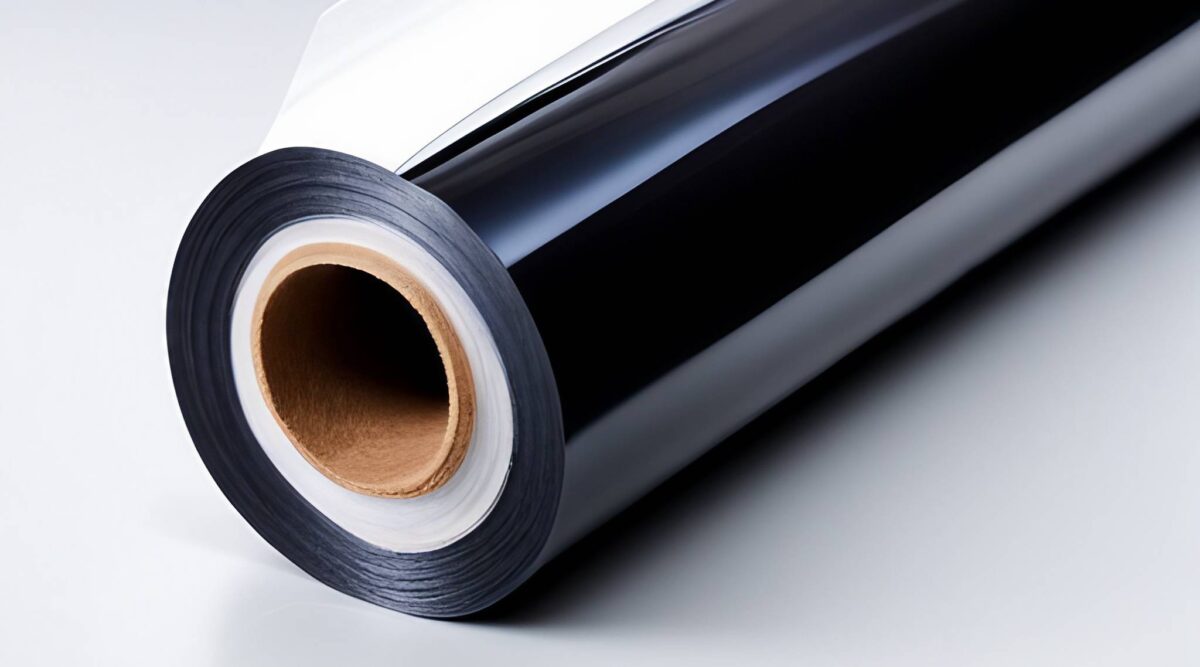
Safety and security window films are clear or lightly tinted polyester layers applied to existing glass. They install on the inside surface of the window. They do not replace the glass. They reinforce it.
Without window films, glass shatters when it breaks. Sharp pieces scatter inward. That leads to injuries and fast access for break-ins. Window films hold the glass together after it cracks. The glass may break, but it stays in place instead of falling apart.
Safety window film focuses on injury control. It helps during accidents, storms, or pressure cracks. Security window film does the same thing but with more strength. It is thicker and harder to tear, which slows forced entry.
Across Toronto and the GTA, window films are used on:
- Retail storefronts along Bloor, Queen, and Yonge
- Patio doors in Scarborough and Vaughan homes
- Ground-floor condos near sidewalks and laneways
- Schools, gyms, and community centres
- Office buildings with large glass walls
Most safety and security window films are clear. Light still comes in. Views stay the same. Many people do not notice the film unless someone points it out.
If you want a clear breakdown focused only on protection films, this article explains it in plain language: What Are Security Window Films.
How Window Films Work When Glass Breaks
Glass does not fail all at once. First it cracks. Then stored pressure releases. That second moment is when shards fly and damage spreads.
Window films change that second step.
The film bonds directly to the glass using pressure-activated adhesive. When impact happens, the glass may crack, but the film absorbs energy and keeps the fragments together. This changes how the break behaves.
Security window films add thickness. Thicker films resist repeated hits and take longer to tear. That extra time matters during smash-and-grab attempts.
One example happened near Dundas Street West last fall. A café had a break-in attempt overnight. The front window cracked but stayed in the frame because security window film was installed. The intruder left. The café opened the next morning with damage but no glass everywhere and no stolen items.
Another case involved a Markham warehouse during a cold winter night. A large window cracked from pressure change. Safety window film kept the glass intact. No falling shards. No emergency shutdown.
Installation quality matters here. Poor installs peel. Edges lift. Film tears early. This guide explains what proper installs look like and why details matter: How to Achieve Flawless Security Film Installation in 7 Steps.
For technical testing on impact resistance, ASTM outlines how reinforced glazing is measured under controlled conditions: ASTM F1233 Standard.
Safety Window Film vs Security Window Film
People mix these two up a lot. The difference is simple.
Safety window film reduces injury from broken glass. It is used in homes with kids, schools, gyms, offices, and condos with large glass panels.
Security window film adds resistance against forced entry. It is thicker and used where break-ins are a concern, such as storefronts and ground-level windows.
In Toronto condos near the Waterfront, safety window film is often used on balcony doors and interior glass walls. In areas like Liberty Village and Kensington Market, security window film is common on display windows.
Many projects use a mid-range window film that handles both safety and security needs. Window films do not make glass unbreakable. The goal is control. Control of how glass breaks. Control of time. Control of risk.
This article explains how safety films still improve protection even without heavy thickness: How Safety Films Enhance Window Security.
Why Window Films Matter in Toronto and the GTA
Toronto has patterns that affect glass. Break-ins rise during darker winter months. Accidents increase during spring renovation season. Summer festivals bring more foot traffic and higher risk for storefronts.
Window films help across all seasons.
In Scarborough and North York homes, patio doors are common weak spots. They are large and exposed. Security window film adds resistance without changing how the door looks.
For downtown businesses, broken glass leads to downtime, cleanup, and insurance calls. With window films installed, glass often stays in place even when cracked.
Toronto Police often point out that delaying entry reduces crime. Their guidance focuses on layered protection, not single fixes: Toronto Police Break and Enter Prevention.
Installation Quality Matters More Than the Film Brand
A security window film installed poorly will fail early.
Good installation includes:
- Proper glass cleaning
- Correct film choice for the glass type
- Clean trimming and edge work
- The right approach for frames and seals
Toronto buildings use many glass types. Annealed glass. Tempered glass. Laminated units. Each reacts differently to impact and stress.
DIY installs often peel or bubble. Edges lift. Performance drops fast. Professional installation improves adhesion and lifespan.
This checklist helps before installing window films: What Are Key Considerations When Installing Window Films.
Window Films or Full Window Replacement?
This question comes up often in East York homes and older storefronts.
If frames are solid and glass is still in decent shape, window films add protection without full replacement. If frames are failing or seals leak, replacement may be the better move.
Many Toronto property managers use window films as a first step while planning future upgrades.
This comparison explains both options clearly: Tinted Window Film vs Full Window Replacement.
Why Window Films Keep Growing in Local Use
Window films solve real problems without changing how a space feels. That is why they keep appearing in Toronto homes, shops, and offices.
They reduce injury risk. They slow break-ins. They help glass handle pressure and impact. They work quietly.
If you are looking into window films for safety or security in Toronto or the GTA, ask direct questions. Ask about thickness. Ask about edge finishing. Ask how long installs last in real buildings.
Clear answers beat polished sales talk every time.
To explore options and get local guidance, start with Tintly Window Films.