Categories
Window Films and Tinting Toronto

Decorative Window Film for Interior Design Projects

Window films are now a common part of interior design projects for homes, offices, and small businesses. Designers use window films to fix privacy issues, reduce glare, and improve how glass spaces feel without replacing windows or doors. In Toronto and nearby areas, many buildings rely on glass walls and large windows, which makes window films a practical design tool.

Glass looks clean and modern, but it causes problems once people start using the space. Sun glare hits screens. Neighbours can see inside. Rooms feel exposed or awkward. Decorative window film helps designers adjust glass after construction is done. This makes window films useful for local business owners, landlords, and homeowners who need changes fast, without permits or downtime.

How Window Films Support Interior Design Projects

Decorative window film is a thin layer applied directly to glass. It changes how glass looks and how people see through it. Designers apply it to interior windows, doors, partitions, and sidelights.

Many spaces already use window films for comfort and privacy. Decorative versions focus more on appearance, but they still help manage light and visibility.

Some films create a soft frost that blurs views. Others add stripes, textures, or repeating shapes. Designers choose films based on how open the room should feel and how much daylight needs to stay.

Why Decorative Window Films Are Used So Often

Decorative window films install on existing glass. That saves time and cuts down mess. No walls come down. No new glass is ordered.

This matters in leased spaces. Offices in downtown Toronto often need privacy after move-in. Film adds meeting rooms fast. Retail shops use film to block stock areas while keeping sunlight. Homeowners use film when blinds feel bulky or collect dust.

Film also works well in older homes. Many Toronto houses have mixed window sizes. Replacing glass can be expensive. Film fits what is already there.

Common Interior Design Uses

Decorative window films appear in many interior layouts:

  • Office glass walls and partitions
  • Conference rooms
  • Bathroom and shower windows
  • Glass doors and sidelights
  • Retail interior glass

Designers often review decorative window film ideas when a space needs light and separation at the same time.

Frosted Window Film and Patterned Styles

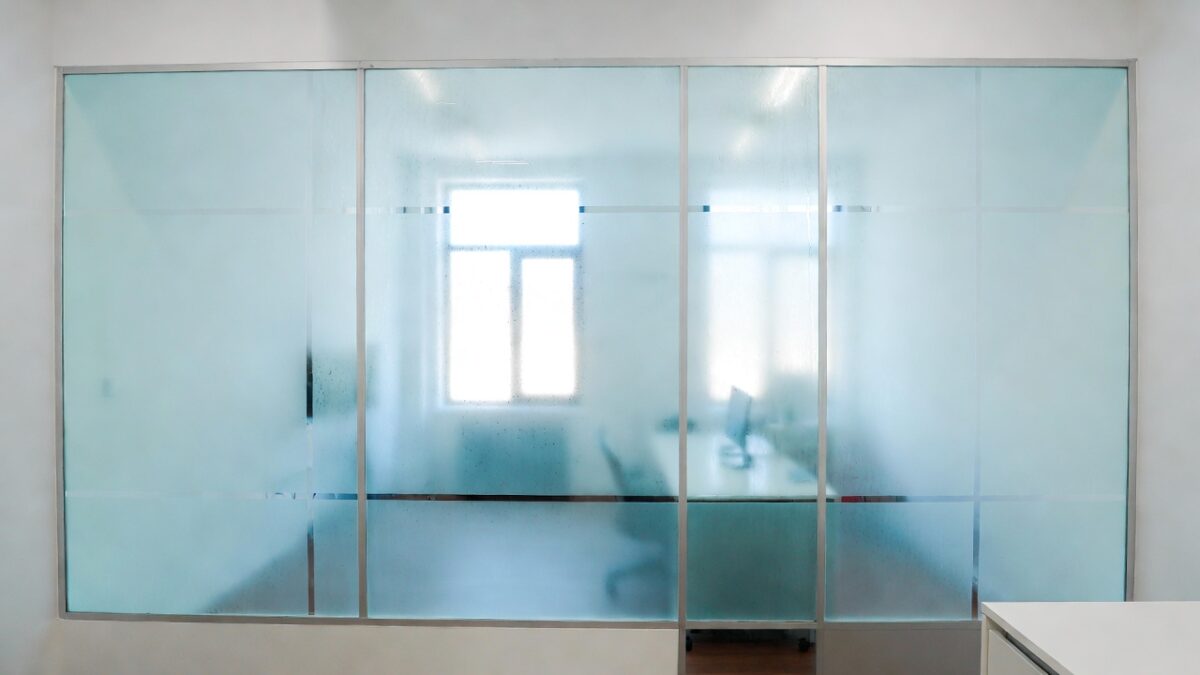
Frosted finishes remain one of the most used decorative options. They block direct views while still letting light pass through.

Designers often use frosted window film in bathrooms, clinics, and office meeting rooms. Patterned styles add interest without bold graphics or signage.

In condos, frosted film blocks views from nearby buildings. In offices, it helps staff feel less watched. Light still flows, so rooms do not feel closed in.

Custom Window Films for Branding and Wayfinding

Some interior projects need more than a plain finish. Gyms, clinics, and shared offices often use custom window films with logos or repeating designs.

A Toronto physiotherapy clinic added custom film to treatment room glass. The pattern blocked direct views while keeping rooms bright. Patients felt more at ease. Staff noticed fewer privacy complaints after the change.

Custom films also help landlords. When tenants change, the film can change too. This saves time and avoids glass replacement.

Understanding Different Types of Window Films

Decorative film sits within a larger group of glass treatments. Designers compare finish, opacity, and texture before choosing.

Reviewing the types of window film helps match design goals with daily use. Some decorative films also soften harsh sun or reduce glare.

In south-facing rooms, designers sometimes pair decorative film with light heat control to cut afternoon glare without darkening the room.

Residential Interior Design Examples

Decorative window films work well in homes. Toronto row houses and semis often sit close together. Side windows can feel exposed.

One North York homeowner added decorative film to a stairwell window. The film blocked views from a neighbour’s deck while keeping daylight. The job took half a day. Curtains were no longer needed.

Some homeowners combine decorative film with stylish tinted window designs to keep a simple look across the home.

Commercial Office Case Study

A small accounting office near Yonge Street had full glass walls and strong afternoon sun. Staff complained about glare on screens, mostly in winter.

The firm installed decorative window film with thin horizontal lines. Screen glare dropped. Privacy improved. The office stayed bright.

No walls were built. The layout stayed flexible for future growth. Staff feedback improved within the first week.

Retail Space Example From the East End

A café in Leslieville faced the street and felt exposed during busy hours. Customers sitting near the window felt watched.

The owner added patterned decorative film at seated eye level. Customers felt more comfortable. Sunlight still filled the space. Afternoon foot traffic stayed steady, even during bright summer days.

Installation Quality and Long-Term Use

Interior film needs clean edges and smooth lines. Poor installation shows fast.

Designers often suggest professional window film installation to avoid bubbles, rough cuts, and peeling corners. Clean work protects the design intent.

Film also needs gentle cleaning. Hard tools scratch surfaces. Soft cloths keep the finish clear for years.

Seasonal and Local Factors in Toronto

Toronto summers bring strong sun through glass offices and condos. Decorative window films soften light without dark rooms.

In winter, low sun angles cause glare in offices and clinics. Film diffuses light and reduces eye strain.

Older brick homes with newer windows often use film to balance modern glass with traditional interiors.

Helpful External Resources

Design inspiration and planning support often come from outside the local market.

Interior glass and layout trends appear on Architectural Digest, which covers modern design and materials.

Professional interior design standards and layout guidance appear on ASID, which supports designers and firms.

Frequently Asked Questions

What is decorative window film used for in interior design?

Decorative window film adds visual detail to glass while controlling privacy and light. Designers use it on doors, partitions, and windows.

Can decorative window film replace etched or frosted glass?

Decorative window film gives a similar look at lower cost. It removes without changing the glass.

Is decorative window film good for offices?

Decorative window film works well in offices and clinics. It improves privacy and keeps daylight.

Does decorative window film block light?

Most decorative window films allow light through. Light levels depend on pattern and opacity.

How long does decorative window film last indoors?

Indoor decorative window film often lasts 10 to 15 years. Cleaning habits and use affect lifespan.
Categories
Window Films and Tinting Toronto

Window Films for Office Conference Rooms in Toronto and the GTA

Window films are one of the most searched office upgrades for businesses in Toronto and the GTA, and the reason is simple. Modern offices use glass everywhere. Glass conference rooms look clean and open, but they remove privacy fast. Meetings feel exposed. People walk past and stare. Screens face hallways. Clients notice. Staff feel tense and distracted.

That is why more offices are installing window films instead of adding walls or blinds. Window films fix privacy issues without blocking daylight or changing the space. They work in downtown Toronto towers, North York offices, Vaughan business parks, Mississauga campuses, and Scarborough clinics.

This article explains how window films work in office conference rooms, which types make sense for local buildings, and what real Toronto-area offices experience after installation. It is written for business owners, office managers, and anyone tired of glass meeting rooms that feel like display cases.

If you want a full look at services and options, start here: window films.

What Window Films Are and Why Offices Keep Using Them

Window films are thin layers applied directly to glass. They change how glass looks and how people see through it. In conference rooms, the main goal is privacy. Teams want to talk freely. Clients want to feel comfortable. Meetings need focus.

Toronto offices use glass more than ever. Financial district towers near King and Bay rely on glass walls. Tech offices in Markham and Vaughan use open layouts. Medical and dental clinics in Scarborough and Etobicoke use glass for a clean look. The design works, but privacy problems show up right away.

Window films solve this without construction. They soften the view through glass. People outside the room see shapes, not faces or text. Inside the room, light still moves freely.

Most offices choose from these window film types:

  • Frosted window films
  • Gradient window films
  • Decorative window films
  • Switchable smart window films

Frosted and gradient window films are the most common. They work day and night and do not rely on lighting conditions. Decorative films add light branding. Smart film switches from clear to frosted with power, but most offices do not need that level of tech or cost.

If your main goal is privacy, this guide shows clear ways to do it without guessing: enhance privacy with film options.

How Window Films Change Glass Conference Rooms

Privacy window films do not block light like blinds or curtains. They scatter light. This breaks up the view through the glass while keeping rooms bright.

This matters in Toronto. Winter days are short. Offices already struggle with dark afternoons. Blocking windows makes meeting rooms feel smaller and dull. Window films keep conference rooms usable all year.

After installation, offices usually notice the same things:

  • Hallway traffic becomes a blur
  • Meetings feel private right away
  • People stop whispering
  • Video calls feel less awkward

Some window films also reduce glare. This helps rooms with screens and west-facing glass. Offices near Liberty Village, CityPlace, and waterfront areas often deal with strong afternoon sun in summer.

There is also a safety benefit. Certain window films help hold glass together if it cracks. In busy offices, chairs, carts, and bags hit glass more often than people admit.

For teams asking about indoor UV exposure, Health Canada explains it clearly here: Health Canada – Ultraviolet radiation.

Which Window Films Make Sense for Toronto Offices

Not every film fits every space. The right window film depends on how the room is used, where the glass faces, and how much privacy is needed.

Frosted Window Films

Frosted window films are the most common choice for conference rooms. They block clear views day and night while still letting light through.

Frosted film works well in:

  • Boardrooms with client meetings
  • HR offices
  • Meeting rooms facing hallways
  • Clinic consult rooms

Some offices frost the full glass panel. Others frost only the middle section and leave the top clear. This blocks eye-level views but keeps the room open.

Gradient Window Films

Gradient window films are clear at the top and frosted through the middle. They give privacy where people sit and keep more openness above.

This style is popular in newer office buildings around North York Centre, Vaughan, and Markham. It looks modern and avoids the boxed-in feeling.

Decorative Window Films

Decorative window films use lines, dots, or simple patterns. Some include logos. They work when branding matters, but privacy is still needed.

Simple designs work best. Busy patterns can distract people during meetings.

New Toronto-Area Examples from Real Offices

Example 1: North York Legal Office

A legal office near Yonge and Sheppard had a glass boardroom facing a busy corridor. Clients could see staff moving past during meetings. Some clients commented. Others looked uncomfortable.

The office installed frosted window films at eye level and left the top clear. The room felt calmer right away. Meetings felt private. Staff used the room more often. No blinds to adjust. No noise.

Example 2: Oakville Design Studio

A design studio in Oakville used a glass room for team reviews and client presentations. Large screens faced the hallway. People walking by could see work-in-progress designs.

They chose gradient window films. Privacy improved. Glare dropped in the afternoon. The room stayed bright. Staff said meetings felt less rushed and more focused.

Different industries. Same glass issue. Same result.

Why Window Films Beat Walls and Blinds

Office managers usually compare three options. Walls. Blinds. Window films.

Walls cost more. They take time. They need permits. Many landlords do not allow changes.

Blinds break. They collect dust. People forget to close them. They make rooms look messy fast.

Window films install quickly. Many conference rooms are finished in a few hours. No noise. No dust. No downtime.

If you want to compare film with replacing glass, this article explains the difference clearly: window film vs full window replacement.

Installation Quality Makes a Big Difference

Most window film problems come from poor installs, not the film itself.

Common issues include:

  • Bubbles that never disappear
  • Dust trapped under the film
  • Edges lifting after weeks
  • Uneven cuts around frames

Toronto buildings add extra steps. Elevator bookings. After-hours rules. Insurance checks. These details matter more than people expect.

This checklist helps offices avoid mistakes before installation: key considerations when installing window films.

Window Films and Office Comfort in Toronto Weather

Toronto weather changes fast. Hot summers. Cold winters. Bright sun at low angles in spring and fall.

Privacy window films are not meant for full heat control, but many offices notice side benefits. Less glare. More even light. Less eye strain during long meetings.

For a Canadian source on windows and energy topics, Natural Resources Canada explains it well: Natural Resources Canada – Windows and energy efficiency.

Quick Answers About Window Films

Do window films make conference rooms dark?

No. Privacy window films blur views but still let natural light through.

Do window films work at night?

Yes. Frosted and opaque films keep privacy day and night.

Can window films be removed later?

Yes. Most interior films can be removed by a trained installer.

Can logos be added to window films?

Yes. Decorative window films can include simple branding.

Get Window Films That Fit Your Toronto Office

If your conference rooms feel exposed, window films are a clean fix. They keep the glass look, keep daylight, and stop the hallway show. Teams use rooms more. Meetings feel normal again.

To get help choosing the right window film for your office in Toronto or the GTA, visit Tintly Window Films and request a quote.